Active seasonWinter
Winter-growing succulents
Plants that make most of their active growth during the cooler months, then slow down or become dormant as summer heat arrives.
shop what’s available now ↓contents
001overview
What a winter grower is
Where these plants are from, and what that means on the bench.
Most succulents in cultivation come from summer-rainfall country: they grow through the warm months and rest through the cold ones. The plants here do the reverse. They come from places where the rain arrives in winter and the summer is long and dry, and they keep that schedule wherever they end up.
So it is not a difficulty rating or a care level — it is where the plant is from. That is why a Conophytum, an Oxalis and a caudiciform Pelargonium sit in the same collection: what they share is a season, not a shape.
002climate map
Winter-rainfall climates
Across both hemispheres, the world’s five Mediterranean-climate regions receive most of their rain during their local winter. The map gives climate context; it is not a range map for every plant in this collection.
Why these regions produce winter growers: where winter growers come from →
Winter-rainfall habitats
Region 04
Wet season Apr-Sep
Selected Cape region of South AfricaCape region
Regions
05 of 05
Select to read
Habitat
04
Cape region of South Africa
Growth calendar
In habitat
Northern hemisphere
Southern hemisphere. Growth at home runs Apr-Sep, which lands in our winter here — six months out of phase, and the reason these are sold as winter growers.
The habitat
Two things at once: the high-rainfall fynbos of the south-western Cape and the near-desert quartz fields running north into Namaqualand. The rainfall figures span both ends, which is why the range here is so wide.
Growing it
The reason the category exists. Southern-hemisphere origin puts growth squarely in the northern winter - water from September, dry off from April.
Regions (05)
Conditions
- Rainfall
- 150-1000 mm
- Wet season
- Apr-Sep
- Dry period
- 4-7 months
- Elevation
- 0-1600 m
- Substrate
- Quartz gravel, sandstone
- Frost
- Rare
Fynbos, renosterveld and the quartz fields of Namaqualand. Shaded areas are climate regions, not individual plant ranges.
003available plants
Winter growers currently available
True cool-season growers in the current catalog. Availability changes; each listing carries the plant-specific details that matter more than a collection label.
view all in this category ↗
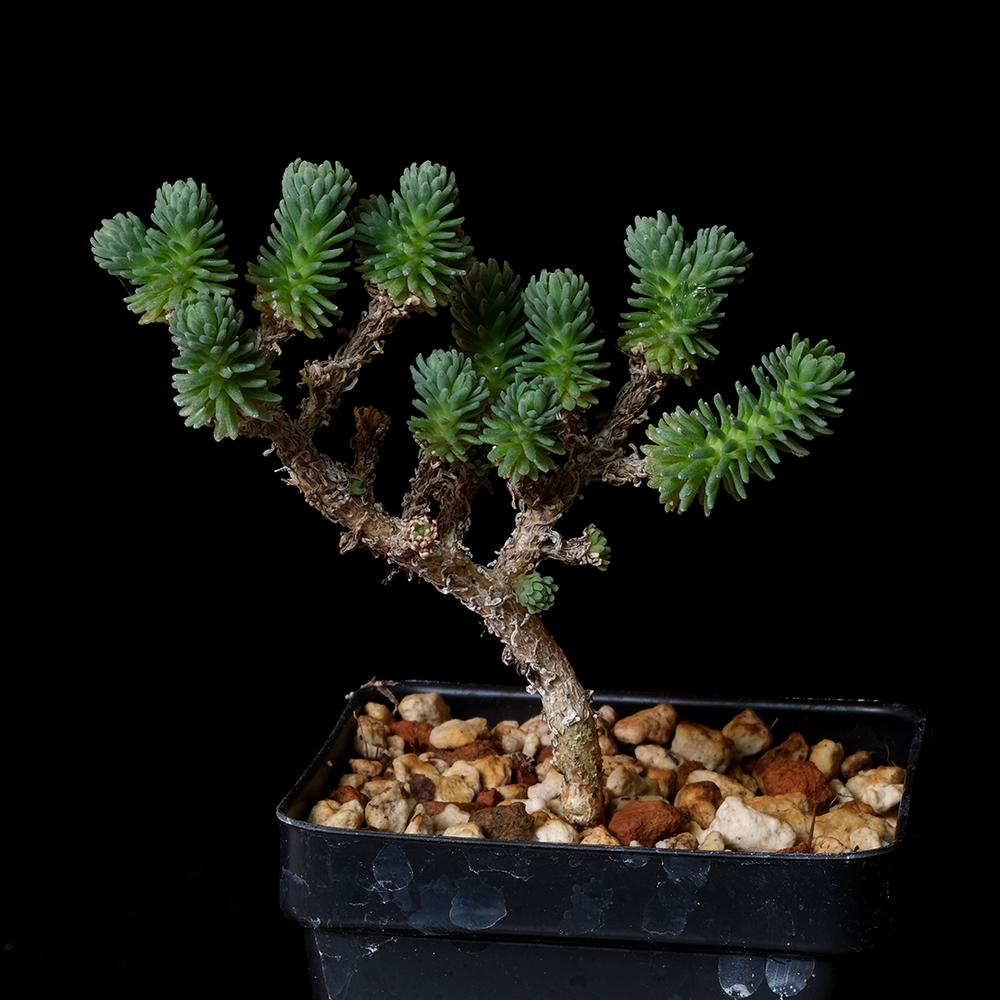

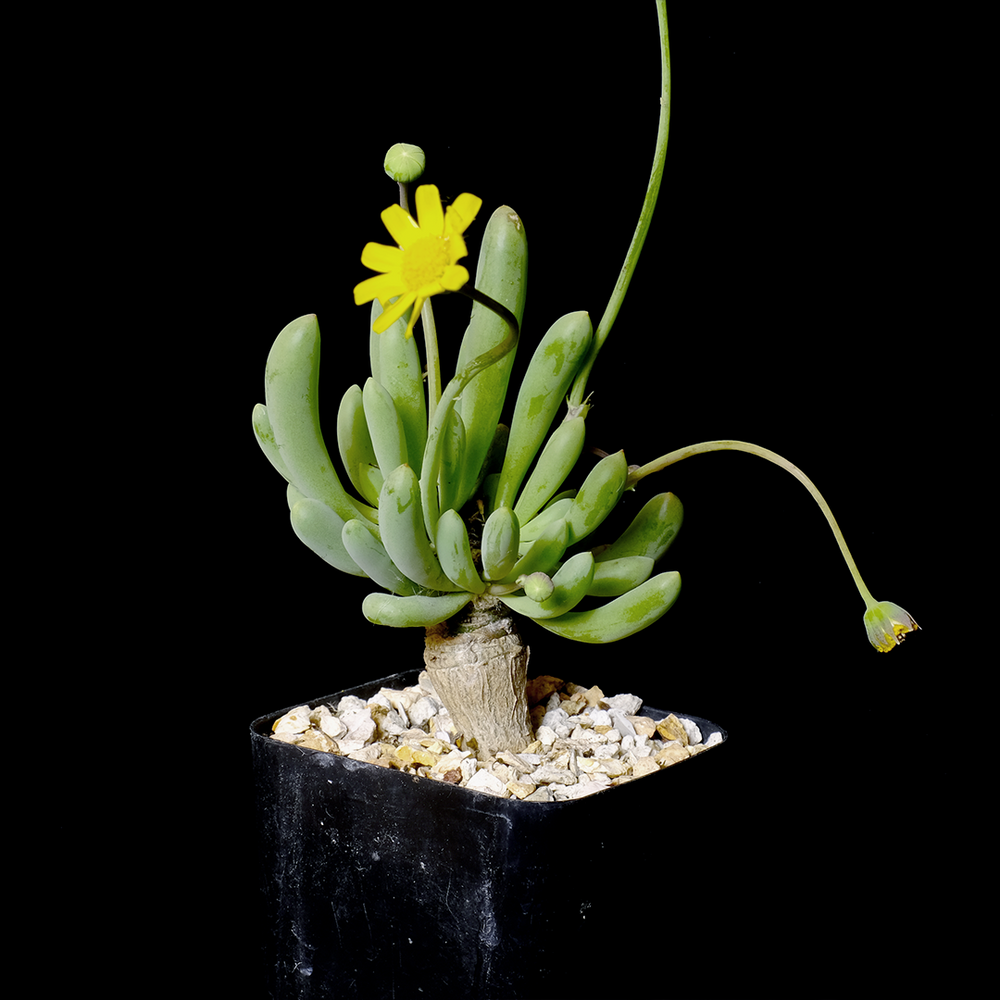
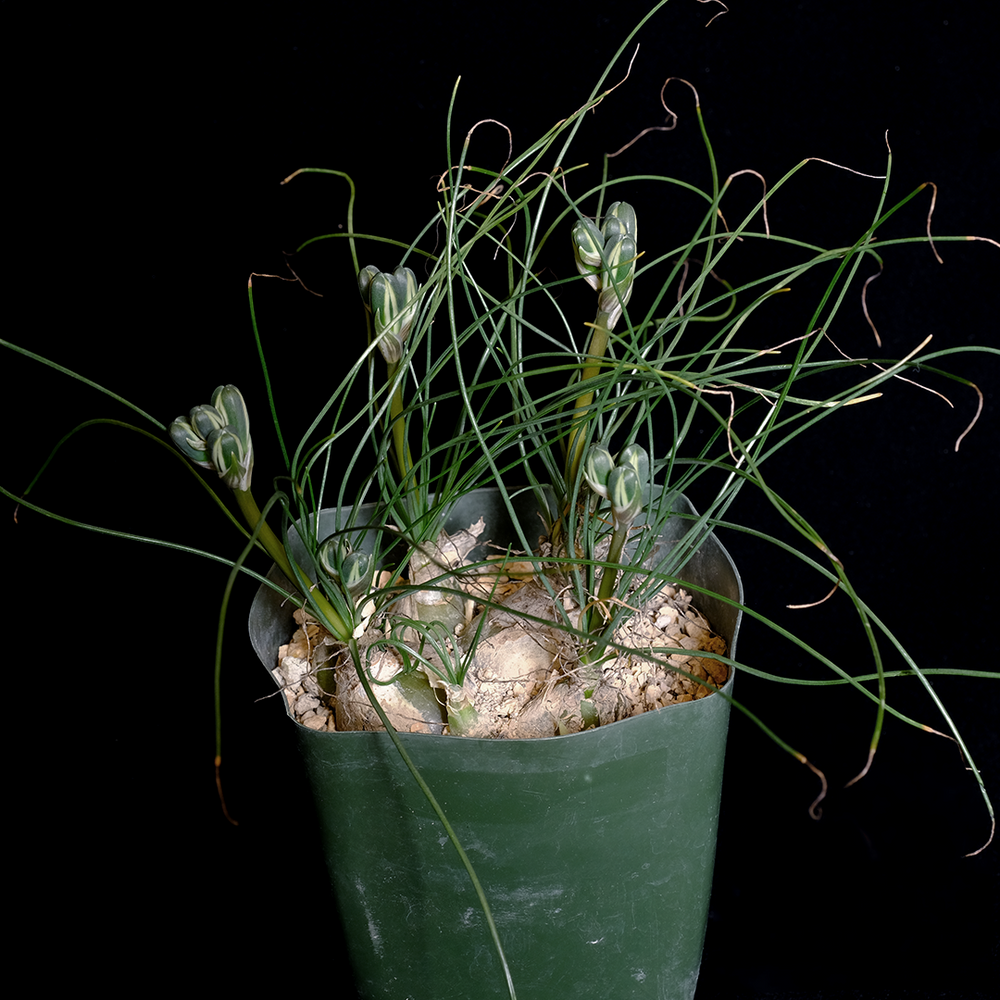
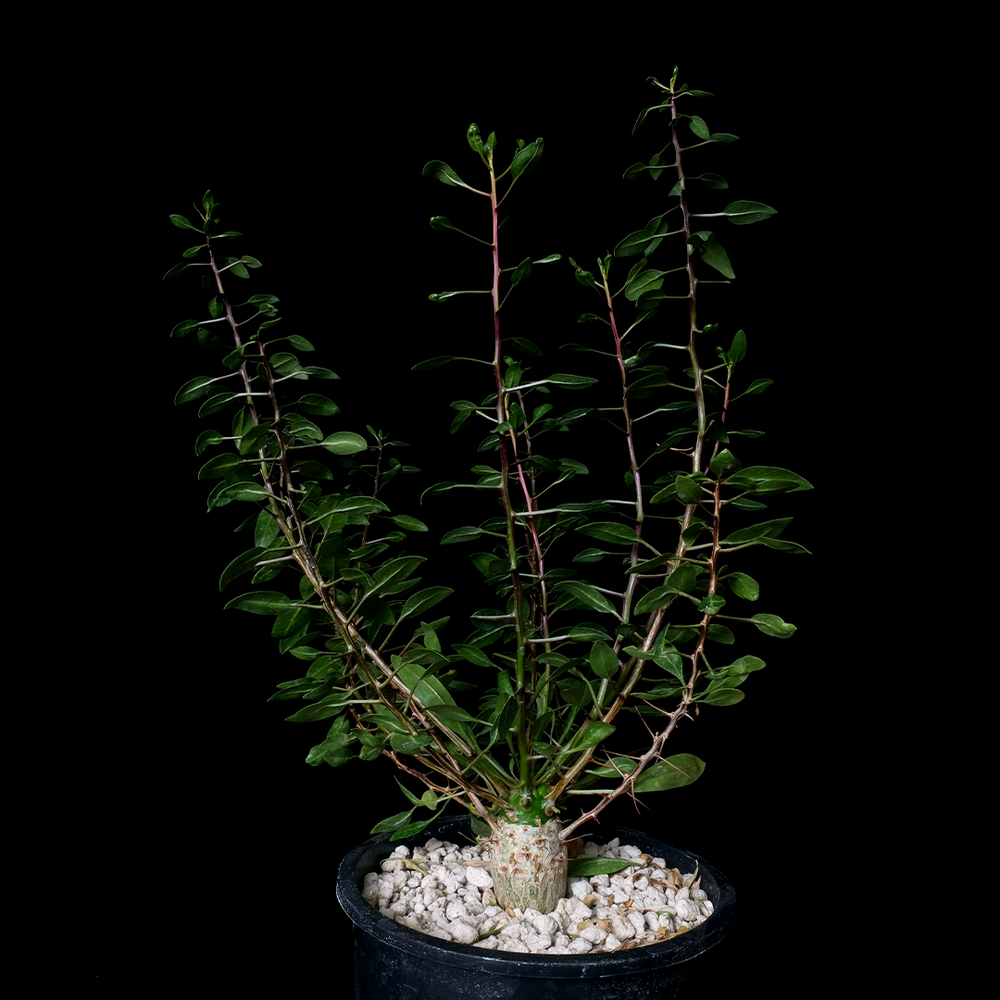
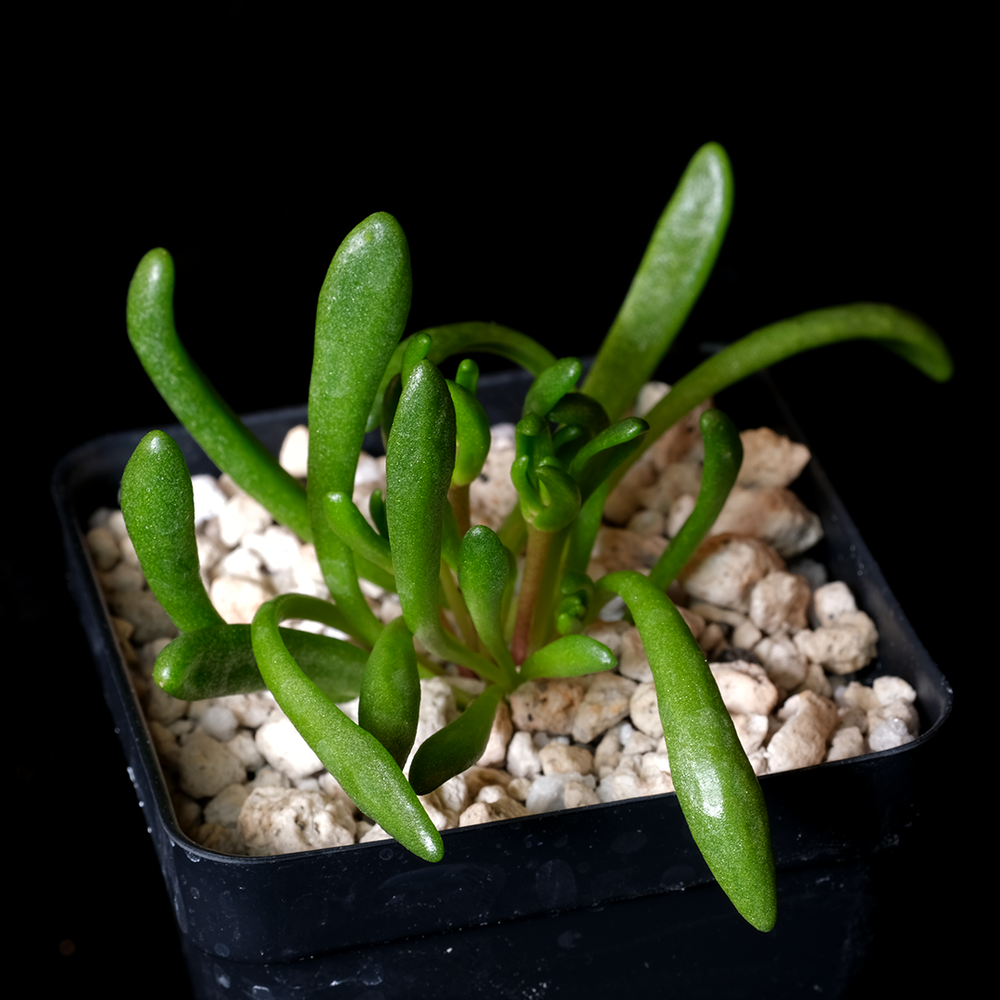
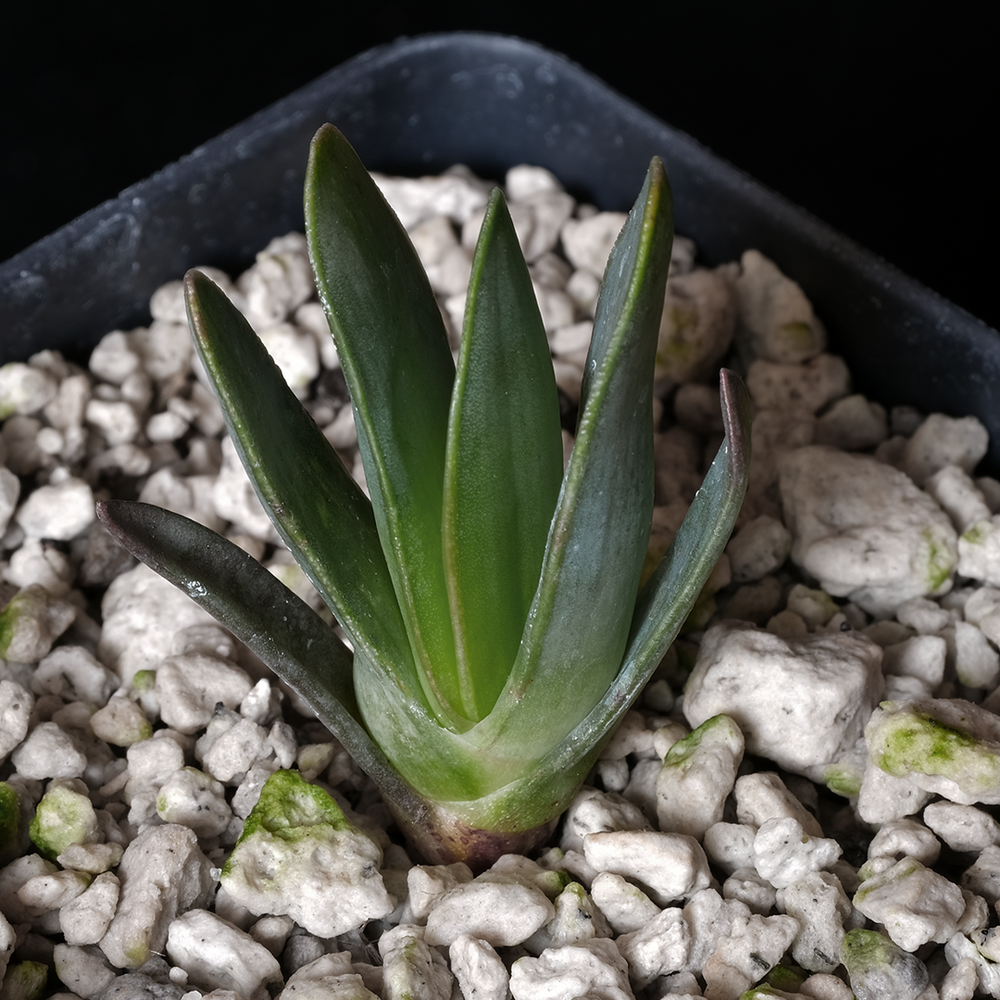
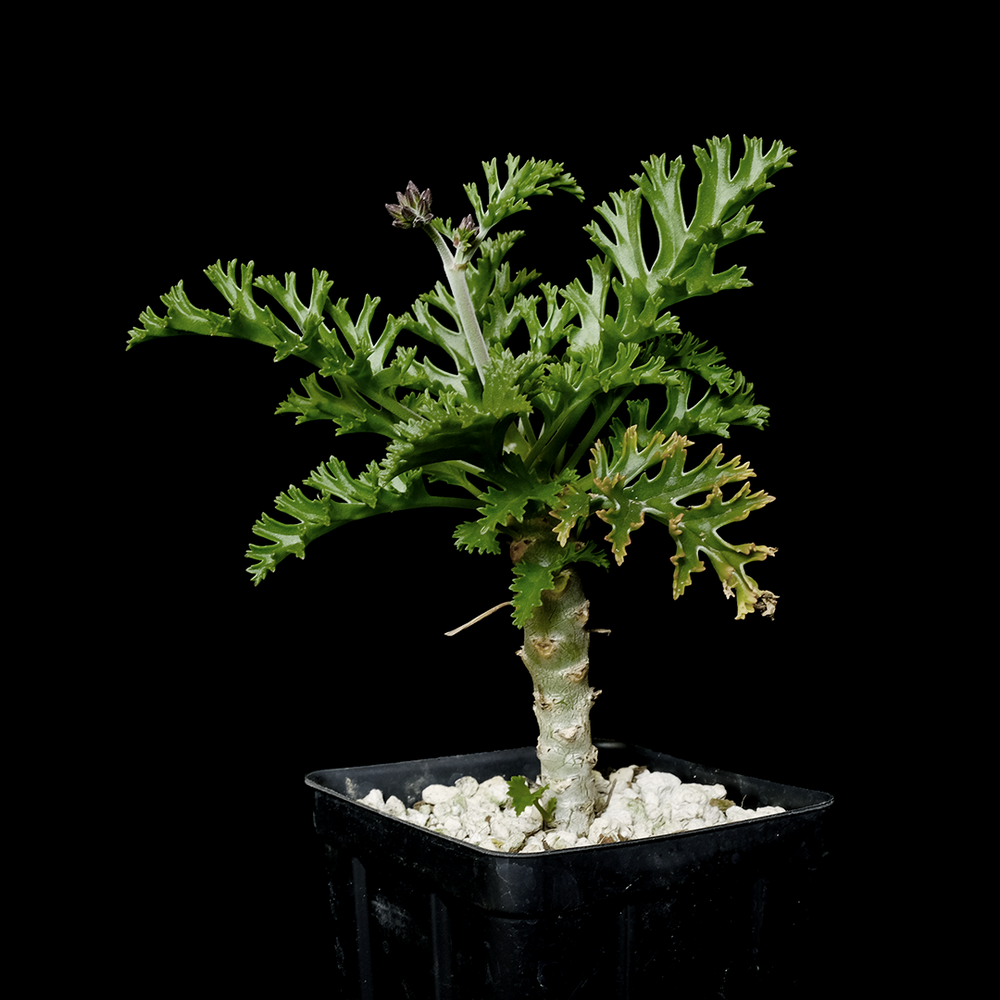
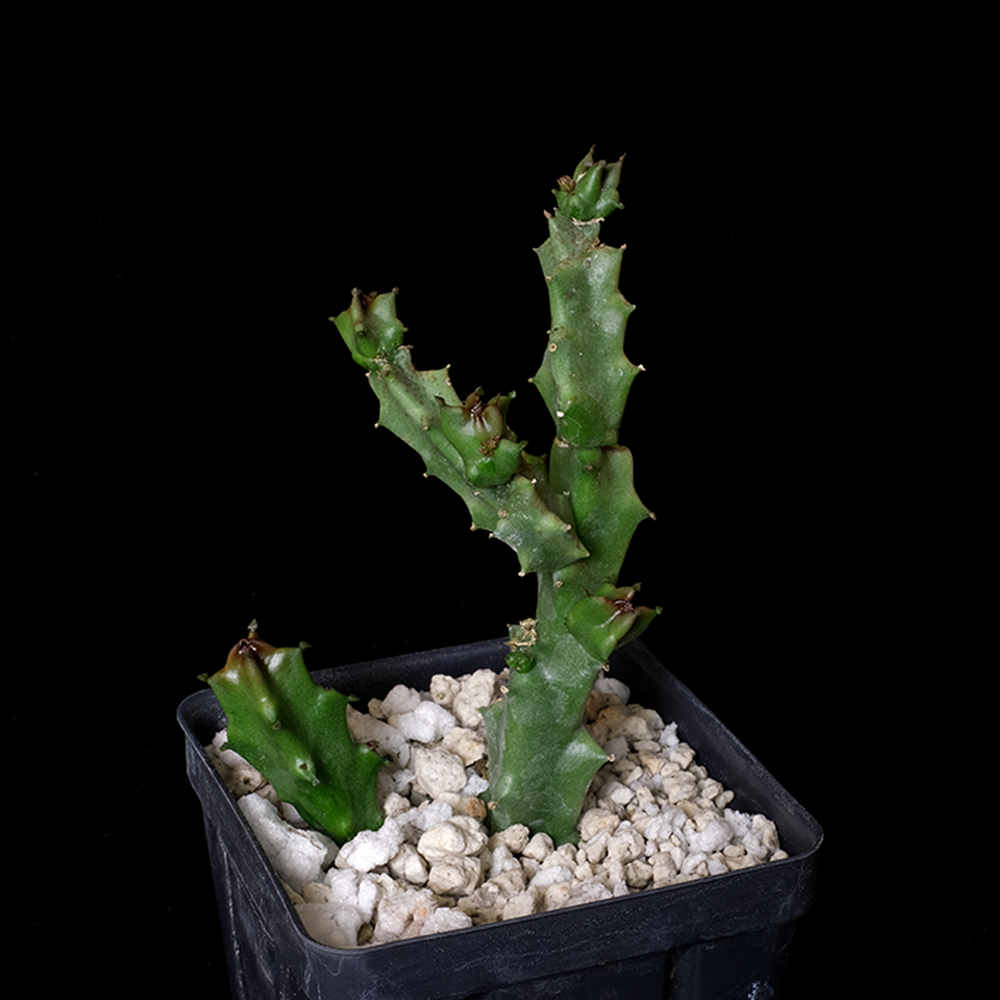
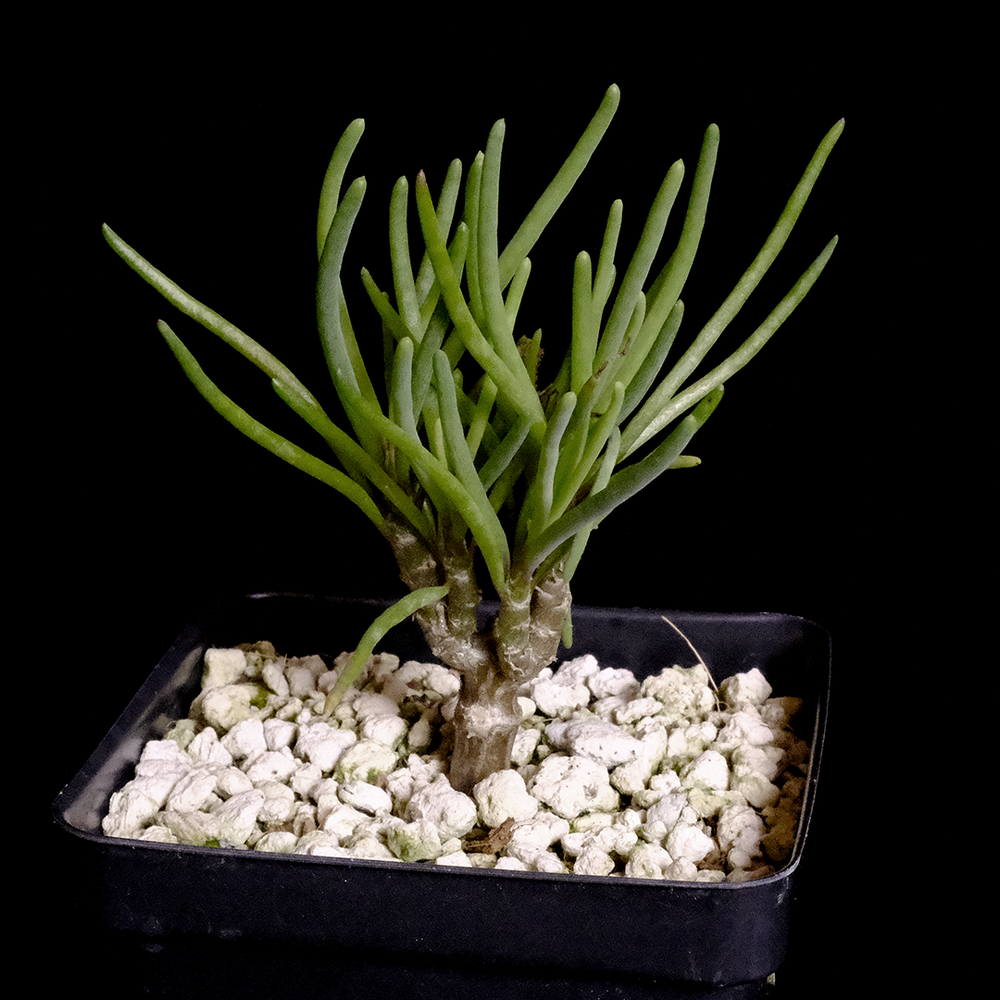
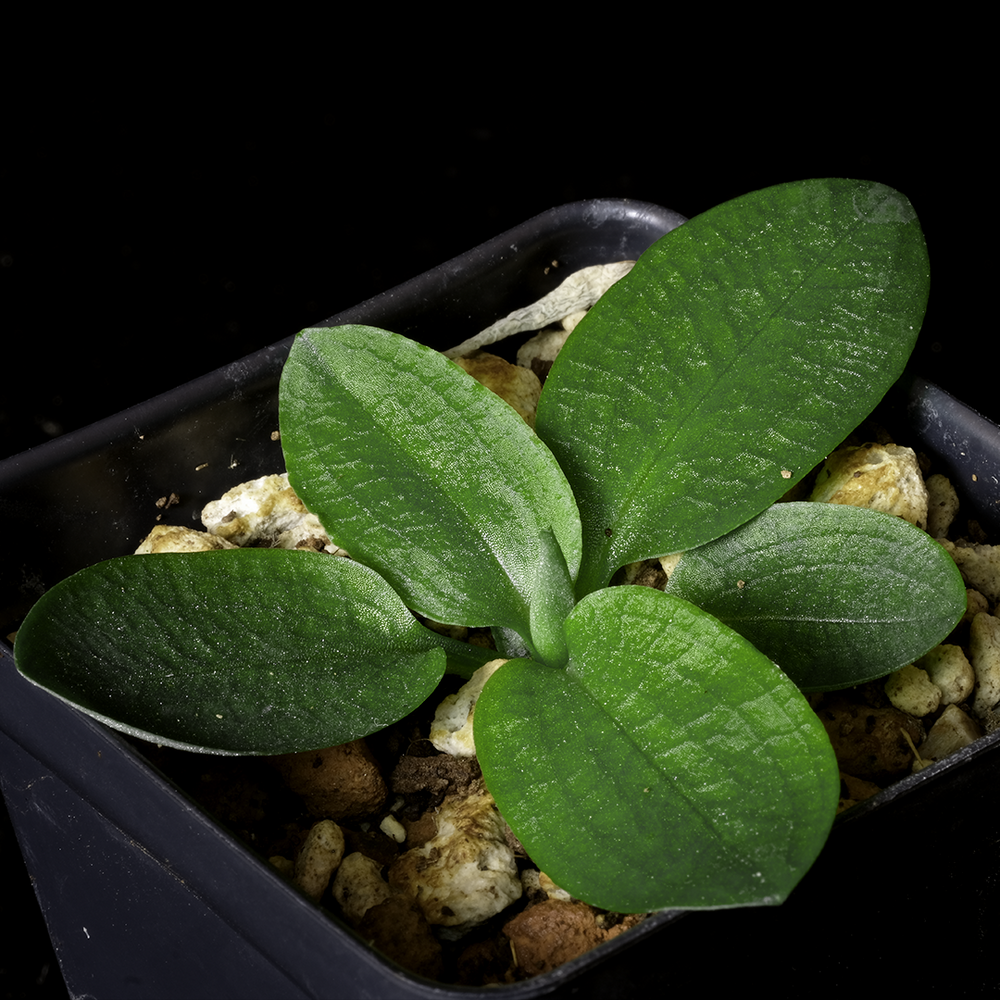
A selection of 12. The category holds 75.view all in this category ↗
004growth patterns
Growth patterns among winter growers
“Winter-growing” is useful shorthand, but the degree of summer rest varies. Species-specific care takes precedence.
September is usually an autumn transition; October through April is the main active period; May is a spring transition; June through August is the usual summer rest.
Species, microclimate, heat, and irrigation can shift or blur each phase. Use visible growth—not the calendar—to guide watering.
winter-growing
organized by summer response
-
Obligate winter growers
Enter a pronounced dormant period and generally require a dry or nearly dry summer rest.
-
Opportunistic winter growers
Favor cooler conditions but may continue growing when summer temperatures remain moderate.
A few representative genera
-
Bulbs and geophytes
Emerge with cooler weather, then retreat below the soil during their dormant season.
A few representative genera
Browse by form: bulbs and geophytes / caudiciforms / mesembs
005summer care
Summer dormancy in four stages
These steps apply most closely to obligate winter growers. Plants that remain active in mild summer conditions should be treated according to the growth they are actually making.
-
Read the plant
Watch for slowing growth, softening or yellowing leaves, and a plant that dries out more slowly than it did.
The calendar is a guide; the plant is the instruction. -
Taper water
Lengthen the gaps between waterings rather than stopping at once, and let the mix dry through.
An abrupt stop is as hard on a plant as watering through the rest. -
Shade and move air
Keep dormant plants bright but out of direct heat, with air moving around them.
Still, hot, damp air is what rots a resting plant, not the heat by itself. -
Restart
Wait for new leaves or shoots as temperatures cool, then begin with a light watering.
Increase only as growth becomes established; a date on the calendar is not evidence of activity.
For a fuller treatment of the transition, read Preparing winter growers for summer →
006reference
Questions about winter-growing succulents
What is a winter-growing succulent?
A winter-growing succulent makes most of its active growth during cooler months. Depending on the species and climate, it may slow substantially or become fully dormant in summer.
Are winter growers cold-hardy?
Usually not. Growing in winter is about rainfall, not frost tolerance — most come from places where winter is mild and wet. Check each listing for a minimum temperature.
Do winter growers need a dry summer?
Obligate winter growers generally do. Opportunistic ones can keep growing through a mild summer and should be watered according to the growth they are making.
When does winter growth resume?
As temperatures fall in early autumn. Wait for visible new growth before watering properly rather than starting on a date.